 Skip to content



Last Updated on May 6, 2026 by Puteri
Quick answer: A converter works by regulating and adjusting DC power from solar panels using high-frequency switching to control voltage levels. It ensures stable energy output, supports Maximum Power Point Tracking (MPPT), and enables efficient power transfer to the inverter or battery in solar energy systems.
Key Takeaways
- A solar converter regulates DC power from solar panels using high-frequency switching to maintain stable voltage and system-ready output.
- Converter components (MOSFET, IGBT, inductor, capacitor, PWM controller) determine voltage conversion efficiency and energy loss levels.
- Maximum Power Point Tracking (MPPT) relies on converter-controlled voltage and current adjustment to maintain optimal solar panel output.
- Converter efficiency directly determines energy loss, thermal performance, and long-term reliability of solar inverter systems.
- Solar inverter systems integrate DC-DC, DC-AC, and bidirectional converters to control voltage, manage energy storage, and deliver usable AC power.


How does converter work in solar inverter systems? A converter works by regulating and conditioning the direct current (DC) electricity generated by solar panels, adjusting its voltage through controlled switching processes before supporting stable inverter input and output by passing conditioned power to the inverter or battery. It uses electronic components such as switching devices, inductors, and capacitors to either step up (boost) or step down (buck) voltage, ensuring the energy remains within optimal operating ranges for efficient conversion and safe system performance.
In practical solar applications, the converter continuously stabilizes fluctuating DC input caused by changes in solar irradiance and temperature. According to the National Renewable Energy Laboratory, power conversion efficiency and voltage control are critical factors in maximizing solar energy output and minimizing system losses. By conditioning DC power before it reaches the inverter, the converter improves system efficiency, supports MPPT performance, and ensures reliable operation across residential and commercial solar installations.
How Does Converter Work in Solar Energy Systems?
A converter in solar energy systems works by continuously regulating the direct current (DC) output from solar panels, adjusting voltage levels and managing inverter current through high-frequency switching to match system requirements. It either increases (boost) or decreases (buck) the voltage using controlled electronic components, ensuring that the power delivered to the inverter or battery remains stable, efficient, and within safe operating limits.

A solar converter responds to irradiance changes by stabilizing DC voltage and maintaining consistent power flow. By stabilizing voltage and conditioning the DC output, it enables critical functions such as maximum power point tracking (MPPT) and efficient energy transfer, ultimately improving overall system performance and reducing energy losses across residential, commercial, and grid-connected solar installations.
What Does a Converter Do in a Solar Inverter System?
A converter regulates and adjusts the DC electricity generated by solar panels so it can be used efficiently within the system, controlling voltage levels through high-frequency switching to ensure that power delivered to the inverter or battery remains stable, optimized, and within safe operating limits. In real-world solar systems, it continuously responds to changing sunlight conditions by stabilizing output and minimizing energy loss, conditioning the DC power before it reaches the inverter to maintain consistent performance while supporting critical functions such as MPPT and battery charging.
Types of Converters Used in Solar Inverters
Solar inverter systems rely on different types of converters as part of solar inverter components to manage voltage, control power flow, and ensure efficient energy conversion across the system. Each converter type serves a specific function, from optimizing solar panel output to enabling energy storage and delivering usable electricity for loads or the grid.
- DC-DC Converter
DC-DC converters are responsible for adjusting the voltage level of the direct current generated by solar panels. They can step up (boost) or step down (buck) voltage depending on system requirements, ensuring that the output stays within the optimal range for the inverter or battery. These converters play a key role in stabilizing fluctuating solar input and are commonly integrated with MPPT algorithms to maximize energy harvest. - DC-AC Converter (Inverter Stage)
The DC-AC converter, often referred to as the inverter stage, transforms DC electricity into alternating current (AC) suitable for household appliances or grid use. It synchronizes the output with grid frequency and voltage, ensuring compatibility and safe operation. This stage is essential for converting solar-generated energy into a usable form for most electrical systems. - Bidirectional Converter
Bidirectional converters allow energy to flow in two directions, making them critical for hybrid and battery-based solar systems. They manage both charging (DC to battery) and discharging (battery back to system or load), enabling efficient energy storage and usage. This type of converter is especially important in systems that require backup power or energy optimization based on demand and availability.
What Are the Main Types of Converters in Solar Inverters?
Solar inverter systems use different types of converters to manage voltage, control energy flow, and support efficient power conversion. The main types include DC-DC converters for voltage regulation, DC-AC converters for converting power into usable electricity, and bidirectional converters for managing energy storage systems.
Role of Converter in MPPT (Maximum Power Point Tracking
The converter plays a critical role in enabling Maximum Power Point Tracking (MPPT), as explained in what is mppt in solar, by acting as the control point between solar panels and the rest of the system. It regulates the DC output so the panels can operate at their optimal voltage and current combination, where power generation is maximized. Without this regulation, solar panels would often operate away from their peak efficiency, especially under changing environmental conditions.
How Does a Converter Support MPPT Optimization?
The converter supports MPPT by continuously adjusting voltage and current in real time, responding to algorithm-driven signals that identify the most efficient operating point. Through high-frequency switching, it can step voltage up or down to match system requirements while maintaining optimal panel performance. This dynamic process ensures maximum energy extraction, improves system efficiency, and stabilizes power output despite fluctuations in sunlight, temperature, or load demand.
Key Components Inside a Converter
A solar converter operates through a coordinated set of electronic components that manage voltage regulation, energy flow, and power stability. Each component plays a specific role in ensuring that the conversion process is efficient, controlled, and responsive to changing input conditions from solar panels.

- Switching Devices (MOSFET / IGBT)
Switching devices (MOSFET and IGBT) control energy flow in solar converters by rapidly switching current at high frequency. Components such as MOSFETs or IGBTs, as discussed in inverter IGBT, enable precise control over voltage conversion by regulating how energy is transferred through the circuit. This high-speed switching is what allows the converter to perform boost or buck functions efficiently. - Inductor
The inductor stores energy temporarily in a magnetic field during the switching process and releases it when needed. It plays a key role in smoothing current flow and supporting voltage transformation, making it essential for maintaining stable power output during conversion. - Capacitor
Capacitors help stabilize voltage by filtering out fluctuations and reducing ripple in the output signal. They act as short-term energy storage elements, ensuring that the output remains consistent even when the input from solar panels varies. - Controller (PWM Controller)
The controller manages the overall operation of the converter using techniques such as Pulse Width Modulation (PWM). It continuously monitors system conditions and adjusts the switching behavior to maintain optimal voltage levels, improve efficiency, and support functions like MPPT. - Cooling System
Since converters operate at high frequencies and handle significant power levels, heat generation is inevitable. Cooling systems (such as heat sinks or active fans) are used to dissipate heat and prevent overheating, ensuring long-term reliability and safe operation.
Why Converter Efficiency Matters in Solar Inverters
Converter efficiency directly determines how much of the solar energy generated is actually usable within the system. Every conversion stage introduces some level of energy loss, typically in the form of heat, and inefficient converters can significantly reduce the overall output delivered to the inverter, battery, or load. Even small efficiency differences (such as 95% versus 98%) can translate into noticeable energy losses over time, especially in large-scale or long-term solar installations.
High converter efficiency also impacts system performance, operating costs, and return on investment (ROI). Efficient converters minimize thermal stress on components, reduce cooling requirements, and improve long-term reliability, which lowers maintenance costs and extends system lifespan. In both residential and commercial solar systems, optimizing converter efficiency ensures maximum energy harvest, better system stability, and more predictable energy savings over the lifetime of the installation.
Converter in Different Solar Inverter Types
The role and configuration of converters vary depending on the type of solar inverter system, as each setup has different requirements for voltage regulation, energy flow, and system flexibility. While all solar inverters rely on converters to manage DC power, the way they are implemented can significantly impact system efficiency, scalability, and overall performance.
- String Inverter
In string inverter systems, converters are typically centralized, handling voltage regulation for an entire string of solar panels. This setup is cost-effective and simple, but performance can be affected if one panel underperforms, as the converter operates based on the collective output of the string. - Hybrid Inverter
Hybrid inverters use more advanced converter configurations, often including bidirectional converters that manage energy flow between solar panels, batteries, and loads. This allows the system to store excess energy, supply backup power, and optimize energy usage based on demand, making it ideal for residential and energy storage applications. - Microinverter Systems
In microinverter systems, conversion happens at the individual panel level, reducing the need for centralized DC-DC converters. Each panel operates independently, which improves system performance under shading or mismatch conditions, although the converter functionality is more distributed rather than centralized.
Common Issues in Solar Converters and How to Prevent Them
Solar converters are designed to operate reliably under varying conditions, but several common issues can still affect their performance over time. These problems are often linked to thermal stress, unstable input conditions, or component wear, all of which can reduce efficiency and, in severe cases, lead to system failure. Understanding these issues is essential for maintaining

What Are the Most Common Problems in Solar Converters?
Common issues include overheating due to poor ventilation or excessive load, voltage instability caused by fluctuating solar input, and gradual component degradation such as worn-out capacitors or switching devices. Inconsistent performance may also result from improper system design or mismatched components, which can prevent the converter from operating within its optimal range.
How Can You Prevent Converter Failures in Solar Systems?
Preventing these issues involves a combination of proper system design, regular maintenance, and high-quality component selection. Ensuring adequate cooling and ventilation helps reduce thermal stress, while using well-matched components improves overall system stability. Routine inspections, monitoring system performance, and implementing protective features such as overvoltage and thermal protection can further minimize the risk of failure and ensure long-term, reliable operation.
Converter vs Inverter: What’s the Real Difference?
Although converters and inverters are often mentioned together in solar energy systems, they serve fundamentally different functions in the power conversion process. A converter is responsible for adjusting the characteristics of electrical energy (typically modifying DC voltage levels through step-up or step-down processes) while an inverter converts direct current (DC) into alternating current (AC) that can be used by appliances or fed into the grid.
In practical terms, the converter works behind the scenes to ensure that the DC power coming from solar panels or batteries is stable and optimized before it reaches the inverter. The inverter then takes that conditioned DC power and transforms it into usable AC electricity. Together, they form a critical sequence in solar power systems, but understanding their distinct roles helps clarify system design, improve performance optimization, and prevent confusion when selecting or evaluating solar inverter technologies.
Conclusion
In conclusion, how does converter work? A converter works by regulating and optimizing the DC electricity generated by solar panels, adjusting voltage levels through controlled switching to ensure stable, efficient power delivery to the inverter, battery, or load. This process allows the system to operate at optimal conditions, even as solar input fluctuates throughout the day.
Enabling functions such as voltage stabilization and Maximum Power Point Tracking (MPPT), the converter plays a critical role in maximizing energy output and minimizing losses. Its impact extends across system performance, reliability, and long-term efficiency, making it an essential component in both residential and commercial solar inverter systems.
Frequently asked questions
No, a solar inverter system requires converter functions to regulate and stabilize DC input. Without it, the system cannot operate efficiently or safely.
Converter efficiency is influenced by component quality, switching design, thermal management, and system conditions such as load and input fluctuations.
A converter enables MPPT by adjusting voltage and current so solar panels operate at their maximum power point, ensuring the system extracts the highest possible energy under varying conditions.
A converter modifies DC power (such as changing voltage levels), while an inverter converts DC power into AC electricity that can be used by appliances or fed into the grid.
A converter continuously adjusts voltage and current in real time to stabilize power output despite changes in sunlight intensity, temperature, or shading, ensuring consistent system performance.
Yes, converter efficiency directly affects how much solar energy is preserved and used. Higher efficiency reduces energy loss, improves system output, and increases long-term return on investment (ROI).

Cleaning solar panels properly helps maintain stable energy output and supports better solar inverter performance. With the right method and regular maintenance, you can improve efficiency and ensure long-term system reliability.

How to size a string inverter? Determine the inverter capacity by aligning it with the total output of the solar panel array and ensuring the system voltage remains within the inverter’s operating range.
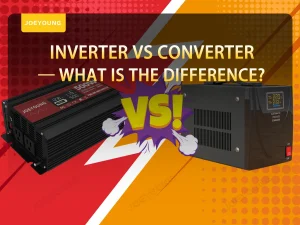
An inverter is a type of converter that changes DC power into AC power. A converter is a device that changes the voltage or type of electrical current. It can convert AC to DC (rectifier) or DC to AC (inverter). And in this blog post will examine in detail all you should know about a power inverter vs converter.
Authors
-
 View all posts
Hello, I’m Puteri. I am a Senior Electrical Engineer with over 10 years of experience in solar power systems and battery storage technology. I hold a Master’s degree in Electrical Engineering and specialize in inverter performance, energy storage integration, and battery systems. I have worked on various residential and commercial renewable energy projects, providing practical and technically accurate insights on solar and battery solutions.
-
 View all posts
Hi, I am Caroline, graduated from a well-known university in Korea, now mainly engaged in article editing on inverters and related parts, I am committed to offering services and solutions about inverters for various industries and get the latest news about it. I look forward to collaborating with you all to advance the new energy industry.
