Are string inverters safe for solar power systems? Yes, string inverters are generally considered safe when they are properly designed, certified, and installed within a well-planned solar energy system. Modern string inverters include multiple built-in inverter safety features that help maintain stable operation, manage electrical fluctuations, and prevent system faults. These features allow the inverter to regulate power conversion while supporting safe and consistent energy delivery for residential and commercial solar installations.
Understanding string inverters safely also requires looking at how the inverter operates within the broader solar system. As the device responsible for converting direct current (DC) generated by solar panels into usable alternating current (AC), the inverter has a central role in both performance and system reliability. With appropriate installation practices, compliance with industry safety standards, and proper system design, string inverters can function as a dependable and secure component of modern solar power infrastructure.
Key Takeaways
String inverters are safe for solar installations when system design aligns inverter voltage range and capacity with the solar array, and when installation follows certified electrical standards.
Modern string inverters maintain stable operation through integrated monitoring systems, voltage regulation, abnormal-condition detection, and protective responses such as output limiting or automatic shutdown during electrical disturbances.
Integrated protection mechanisms in string inverters support safe solar power conversion by preventing overvoltage, controlling excessive current flow, and detecting ground faults within the electrical system.
Safe solar system design requires proper alignment between the inverter’s voltage range, wiring configuration, and solar array capacity to maintain stable energy conversion and reliable electrical operation.
How Does String Inverter Work?
A string inverter works by converting the electricity generated by multiple solar panels into usable power for homes or businesses. In a solar power system, several panels are connected together in a series called a string, allowing the electricity they produce to flow through a single circuit. When sunlight hits the panels, they generate direct current (DC) electricity, which is then sent from the panel string to the inverter. The inverter converts this DC electricity into alternating current (AC), illustrating the fundamental process of inverter input and output used by most electrical devices and building electrical systems.
During operation, the string inverter regulates the incoming energy and ensures the converted electricity is delivered in a stable and usable form. The inverter continuously monitors the combined power output of the connected panels and adjusts the conversion process to maintain consistent performance. Because one inverter manages the entire panel string, it serves as the central point for power conversion and system control, making this configuration a common and practical solution for residential and small commercial solar installations.
Are String Inverters Safe for Solar Installations?
String inverters are generally safe for solar installations when the system is properly designed, installed, and maintained according to recognized technical standards. Modern string inverters are equipped with built-in protection features that help regulate electrical flow, detect irregular conditions, and maintain stable power conversion during operation. These systems allow the inverter to manage electricity produced by solar panels while minimizing the risk of electrical disturbances. As a result, string inverters are widely used in residential and commercial solar systems where reliable and secure energy conversion is required.
What factors determine the safety of a string inverter?
Several factors influence the safety of a string inverter, including the quality of the device, compliance with industry certifications, such as IEC 62109-1/2 (safety standard for power converters in photovoltaic systems) and proper system design. A well designed solar installation ensures that voltage levels, wiring configuration, and system capacity match the inverter’s specifications. These elements help the inverter operate within safe limits and support consistent energy conversion.
How do modern string inverters maintain stable operation?
Modern string inverters maintain stable operation through integrated monitoring and protection technologies. These systems continuously track electrical performance, regulate voltage output, and detect abnormal conditions within the system. When electrical disturbances occur, the inverter initiates protective responses such as limiting output or triggering automatic shutdown to protect system components and maintain operational stability.
Are String Inverters Safer Than Microinverters?
String inverters and microinverters differ in system design, which influences their safety characteristics. String inverters operate with higher DC voltage across a series of panels, while microinverters convert power at each panel, resulting in lower DC voltage at the module level. This makes microinverters often perceived as safer in terms of electrical exposure on the rooftop. However, string inverters remain safe when properly installed and compliant with electrical standards, as they incorporate protection features such as fault detection, grounding, and rapid shutdown functions to maintain safe and stable operation.
Electrical Protection Mechanisms Integrated in String Inverters
Modern string inverters incorporate several electrical protection mechanisms, including inverter short circuit protection, that support safe and stable operation in solar power systems. These protections help regulate electrical flow, detect irregular conditions, and maintain controlled energy conversion during daily operation. Common protection mechanisms integrated in string inverters include:
- Overvoltage protection: prevents damage caused by excessive voltage levels within the system.
- Overcurrent protection: controls electrical current to prevent overloading, which can stress system components.
- Ground fault detection: identifies unintended electrical paths that may affect system safety.
- Automatic shutdown mechanism: stops inverter operation during serious electrical disturbances to protect equipment.
Thermal Management and Operational Stability
Thermal management is crucial for ensuring the operational stability of a string inverter. During power conversion, the inverter’s electrical components generate heat as energy flows through the system. To maintain consistent performance, the inverter regulates internal temperature through thermal monitoring and cooling mechanisms that keep the device operating within its designed temperature range. Stable temperature control supports efficient energy conversion while protecting internal components from excessive thermal stress.
Modern string inverters incorporate temperature sensors, heat sinks, and cooling systems that help dissipate heat generated during operation. These thermal management features enable the inverter to maintain balanced performance even during periods of high solar production. The inverter is engineered to control internal temperature and stabilize operating conditions, ensuring long-term reliability and consistent power delivery within the solar energy system.
Installation Factors That Influence Inverter Safety
The safety of a string inverter is closely related to proper inverter installation within the solar power setup. Proper installation is crucial for ensuring the inverter operates within its intended electrical and environmental conditions while maintaining stable energy conversion. Several installation factors play an important role in supporting safe and reliable inverter performance. Key installation factors that influence inverter safety include:
- Proper system configuration: the inverter capacity and voltage range should align with the solar panel array and system design to maintain balanced electrical operation.
- Adequate ventilation: sufficient airflow around the inverter helps regulate operating temperature and prevents excessive heat buildup during energy conversion.
- Correct electrical wiring: secure and properly rated wiring supports stable current flow and helps maintain safe electrical connections within the system.
- Appropriate installation location: installing the inverter in a protected area helps reduce exposure to moisture, dust, and extreme environmental conditions.
- Professional installation practices: installation performed according to technical standards and manufacturer guidelines supports long-term safety and reliable system operation.
Best Practices to Ensure Safe Operation of String Inverters
Maintaining the safe operation of a string inverter involves following proper operational and maintenance practices throughout the lifespan of the solar power system. These practices ensure that the inverter continues to function within its designed performance range while supporting stable energy conversion. Appropriate system management and monitoring procedures ensure consistent performance and operational reliability of solar installations.Â
Several best practices support the safe operation of string inverters:
- Perform regular system inspections: periodic inspection of the inverter and surrounding components helps identify wiring issues, loose connections, or environmental factors that affect system stability.
- Monitor system performance: continuous monitoring of inverter output and system data supports early detection of irregular performance conditions.
- Maintain adequate ventilation: keeping the inverter area clear allows proper airflow, which helps maintain stable operating temperatures during daily energy conversion.
- Follow manufacturer operating guidelines: operating the inverter according to manufacturer specifications supports proper electrical performance and system safety.
- Schedule routine maintenance: routine maintenance ensures that the inverter and related system components continue to operate efficiently and within recommended safety limits.
When String Inverters Are the Safest Choice for Solar Systems?
String inverters ensure the safest and most reliable operation in solar systems, offering stable design conditions and balanced electrical configurations. This inverter type operates most efficiently when solar panels have similar orientations, tilt angles, and sunlight exposure. Under these conditions, the inverter reliably manages the combined output of the panel string, supporting efficient energy conversion and predictable system performance often associated with best solar inverters used in well-designed solar systems.
When are string inverters the most practical solution?
String inverters are a popular choice for residential and small to medium commercial solar installations, where the system layout remains straightforward. A centralized inverter design streamlines system architecture, enabling monitoring, control, and protection features to operate from a single device, thereby facilitating efficient system management.
How does system design affect inverter reliability?
System design directly impacts inverter reliability, with balanced panel configuration supporting stable electrical input. Solar arrays with consistent panel orientation and similar sunlight exposure maintain uniform power generation across the string. This balanced production allows the inverter to regulate energy conversion more effectively and maintain consistent operational performance.
Conclusion
In conclusion, are string inverters safe? Yes, string inverters are safe for solar installations when the system follows proper design standards, certified equipment specifications, and professional installation practices. Modern string inverters integrate multiple protection mechanisms, thermal management systems, and monitoring features that support stable power conversion and controlled electrical operation within the solar energy system.
With correct installation, appropriate system configuration, and routine monitoring, string inverters provide reliable and secure performance for residential and commercial solar applications. These factors allow the inverter to operate as a stable central component in the solar power system while supporting consistent and safe energy delivery.
Frequently asked questions
Yes, string inverters are considered reliable for long-term solar system operation when installed according to manufacturer specifications and supported by proper system design. Modern units include monitoring systems, electrical protection mechanisms, and temperature management features that help maintain stable power conversion. With regular inspection and proper operating conditions, string inverters support consistent performance for residential and commercial solar installations.
In a string inverter system, multiple solar panels are connected in a single electrical string, so the overall output depends on the performance of the entire group. When one panel produces less electricity due to shading, dirt, or damage, the total power output of the string may decrease. Proper system design and panel placement help minimize this effect and maintain stable energy production.
String inverters generally have an operational lifespan of around 10 to 15 years, depending on system conditions, installation quality, and environmental exposure. Regular maintenance, adequate ventilation, and proper electrical configuration help maintain stable inverter performance throughout its service life.
String inverters benefit from periodic inspection and system monitoring to ensure stable operation. Maintenance activities usually involve checking electrical connections, ensuring adequate ventilation, and reviewing performance data through the monitoring system. These practices help maintain reliable energy conversion and support long-term system safety.
Yes, string inverters are widely used in residential solar installations because they offer a straightforward system design and centralized power conversion. They work particularly well in solar systems where panels share similar orientation and receive consistent sunlight exposure, allowing the inverter to manage energy conversion efficiently.
String inverters provide several advantages in solar power systems, including simplified system architecture, centralized monitoring, and efficient power conversion. Their design allows multiple panels to connect to a single inverter, which helps streamline installation and system management while supporting stable electricity production in many residential and commercial solar applications.

Discover how does a string inverter work, efficiency, and common residential and commercial use.
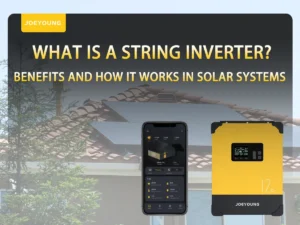
Regarding solar power utilisation, several inverter types may be an option, but what is a string inverter? Why can it be the perfect match to optimize the solar systems? This article will give you the information that you need.

Microinverter vs. string inverter and some relevant information are in this article for your reference when choosing the most appropriate inverter.
Author
-
View all postsHello, I’m Puteri. I am a Senior Electrical Engineer with over 10 years of experience in solar power systems and battery storage technology. I hold a Master’s degree in Electrical Engineering and specialize in inverter performance, energy storage integration, and battery systems. I have worked on various residential and commercial renewable energy projects, providing practical and technically accurate insights on solar and battery solutions.
